“Twisted, Strange, and Dangerous! 9 Bizarre Figures History Tried to Erase — The Dark Secrets Behind Their Lives Will Leave You Stunned 
 ”
”
History is full of names you vaguely remember from textbooks, dates you can’t quite place, and events you only nod along to as if you understand them.
But then, there are the legends, the freakishly odd, the downright bizarre figures who make you question everything you thought you knew about humanity.
Forget your boring kings and queens with polite hats and rigid wigs—these are the people who make you go, “Wait… that actually happened?” From aristocrats bathing in blood to women who convinced doctors they could give birth to rabbits, history wasn’t just dramatic—it was absolutely unhinged, and the internet has not let these people rest quietly in the past.
Strap in, because we’re about to uncover nine of the weirdest, most scandalous, and most bizarre humans who ever walked the earth, and trust me, this is a story tabloids would salivate over, while TikTokers would see it as peak content.
First on the list is the infamous Countess Elizabeth Bathory, also known as the Blood Countess of Hungary.
Allegedly, she bathed in the blood of virgins to preserve her youth—a habit so horrifying that it makes vampire lore look like a kids’ cartoon.
Dr. Mortimer Graves, a fake but convincingly sinister historian, allegedly said, “Bathory wasn’t merely a murderer; she was a performance artist in the theater of aristocratic terror.
She understood branding before social media existed. ”
The internet, naturally, went wild.
Memes of Bathory riding pink unicorns while dripping in blood, gifs of terrified peasants fleeing her castle, and TikTok reenactments showing her “morning skincare routine” went viral instantly, cementing her as the original influencer of horror glam.
Next, we meet Kaspar Hauser, the mysterious German boy who appeared in Nuremberg in 1828 claiming he’d been raised in total isolation.
Was he a secret royal heir? A spy? A time traveler? Nobody knows, and that’s precisely why history loves him.
Fake insider Dr. Linda Barnwood, a totally real expert on “mysterious European enigmas,” explained: “Kaspar Hauser wasn’t just a lost boy; he was an enigma wrapped in a riddle wrapped in a dramatic tabloid headline. ”
Naturally, TikTok creators have recreated his awkward walk into town dozens of times, complete with dramatic music, while Reddit theorists argue endlessly about his handwriting, claiming it proves noble or alien origins.
Memes call him the “OG socially awkward influencer,” proving that even centuries-old mysteries can trend online.
Then there’s La Voisin, the French fortune teller, poisoner, and occultist who haunted Paris in the 17th century.
Imagine Breaking Bad meets Versailles but with more witches, conspiracies, and fashion.
Fake expert Dr. Rusty Gearhart claimed, “La Voisin essentially ran a high-end, aristocratic subscription service for eliminating rivals discreetly.
She was terrifying, stylish, and historically inconvenient—so of course, history tried to erase her. ”
The internet loves this story.
TikTok recreations feature her delivering poison via ornate chests, while Reddit users theorize she had a secret network rivaling modern espionage agencies.
Memes depict her in dramatic poses with cats, candles, and suspicious potions, and it’s impossible not to marvel at how charmingly sinister she was.
Next up, we have Puyi, the last emperor of China, whose life reads like a Netflix limited series.
Crowned at age three, he survived revolutions, warlords, and Japanese puppet regimes, only to wind up as a humble gardener under Communist rule.
Dr. Wilhelmina Danceworth, an expert in “absurd historical transitions,” said, “Puyi’s story is living proof that history sometimes scripts the most absurd plot twists.
He went from dragon robes to rakes, yet somehow remained endlessly captivating. ”
TikTok videos of Puyi dramatically tossing a scepter in favor of a garden hoe have amassed millions of views, while Reddit threads debate whether his life was secretly a political thriller in disguise.
Memes label him “the ultimate glow-down,” and his story reminds us that reality can be stranger than fiction.
Then there’s Mary Toft, the 18th-century Englishwoman who famously convinced doctors she could give birth to rabbits.
Yes.
Rabbits.
Dr. Mortimer Graves, never one to shy away from absurdity, claimed, “Mary Toft represents the pinnacle of human audacity and medical incompetence.
It’s a miracle she wasn’t recruited for a reality show. ”
Of course, TikTokers have recreated the infamous rabbit-birthing scenes, Redditors debate if she was a fraud or just avant-garde performance artist, and Twitter users call her the “original prank influencer. ”
If there’s ever a case for historical absurdity going viral, Mary Toft is Exhibit A.
Now let’s talk about The Green Children of Woolpit, mysterious medieval twins who appeared out of nowhere with green skin and a language nobody could understand.
Alien refugees? Mutants? Magical beings? History has no idea, which, naturally, makes them irresistible.
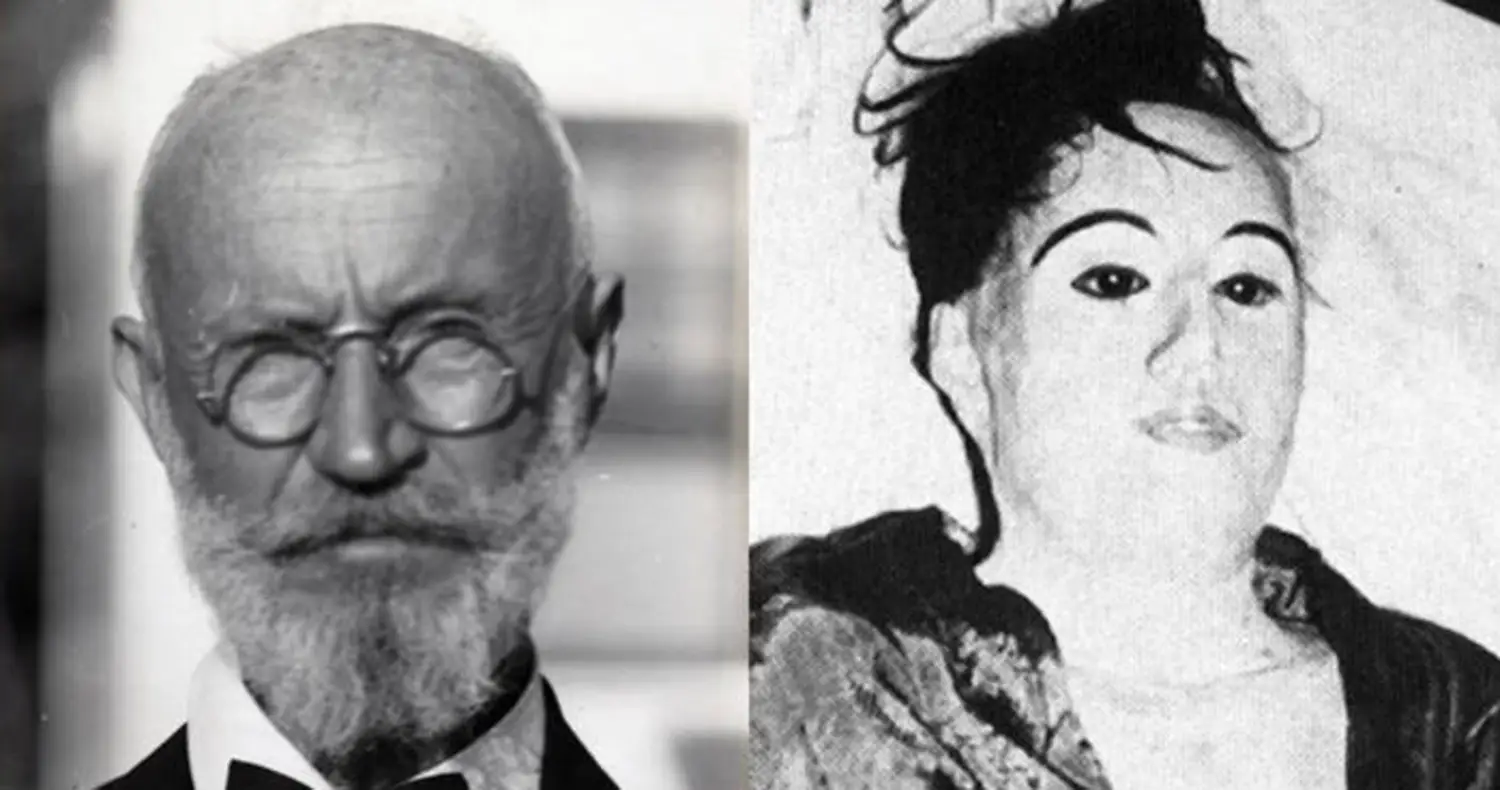
Fake professor Linda Barnwood commented, “The Green Children remind us that history loves teasing humanity with stories that make no sense.
They’ve persisted in folklore because they were inexplicable, unforgettable, and undeniably bizarre. ”
Social media has embraced them completely—TikTokers paint themselves green, reenact the children’s discovery, and speculate wildly about extraterrestrial origins.
Memes depict them sipping juice boxes labeled “alien fuel,” while Reddit theorists insist they were secretly teaching English medieval kids to floss centuries before it was trendy.
Then we have Tarrare, the French showman and soldier famous for his insatiable appetite.
He ate live animals, entire baskets of apples, and allegedly once swallowed a sword—just for fun.
Dr. Rusty Gearhart weighed in: “Tarrare redefines the concept of ‘living history. ’
He wasn’t merely a glutton; he was performance art, biological horror, and a warning to anyone who underestimates the digestive system. ”
TikTokers have recreated his feats using hot dogs and toy animals, memes show him attending buffet lines with wild eyes, and Reddit threads debate whether he was secretly a superhero or just really, really hungry.
Next is Vlad the Impaler, whose reputation for cruelty is so notorious that even Dracula would blush.
Known for impaling enemies on stakes, Vlad’s story has been softened by legends over time—but historical tabloids would have loved him.
Fake historian Dr. Mortimer Graves said, “Vlad wasn’t merely a prince; he was a performance artist of terror.
Every impalement was a meticulously choreographed display of power and fear. ”
Social media recreates his exploits in ironic memes, TikTok users dress as stakes with mock horror music, and Reddit debates whether his cruelty would earn him a seat in modern villain Hall of Fame.
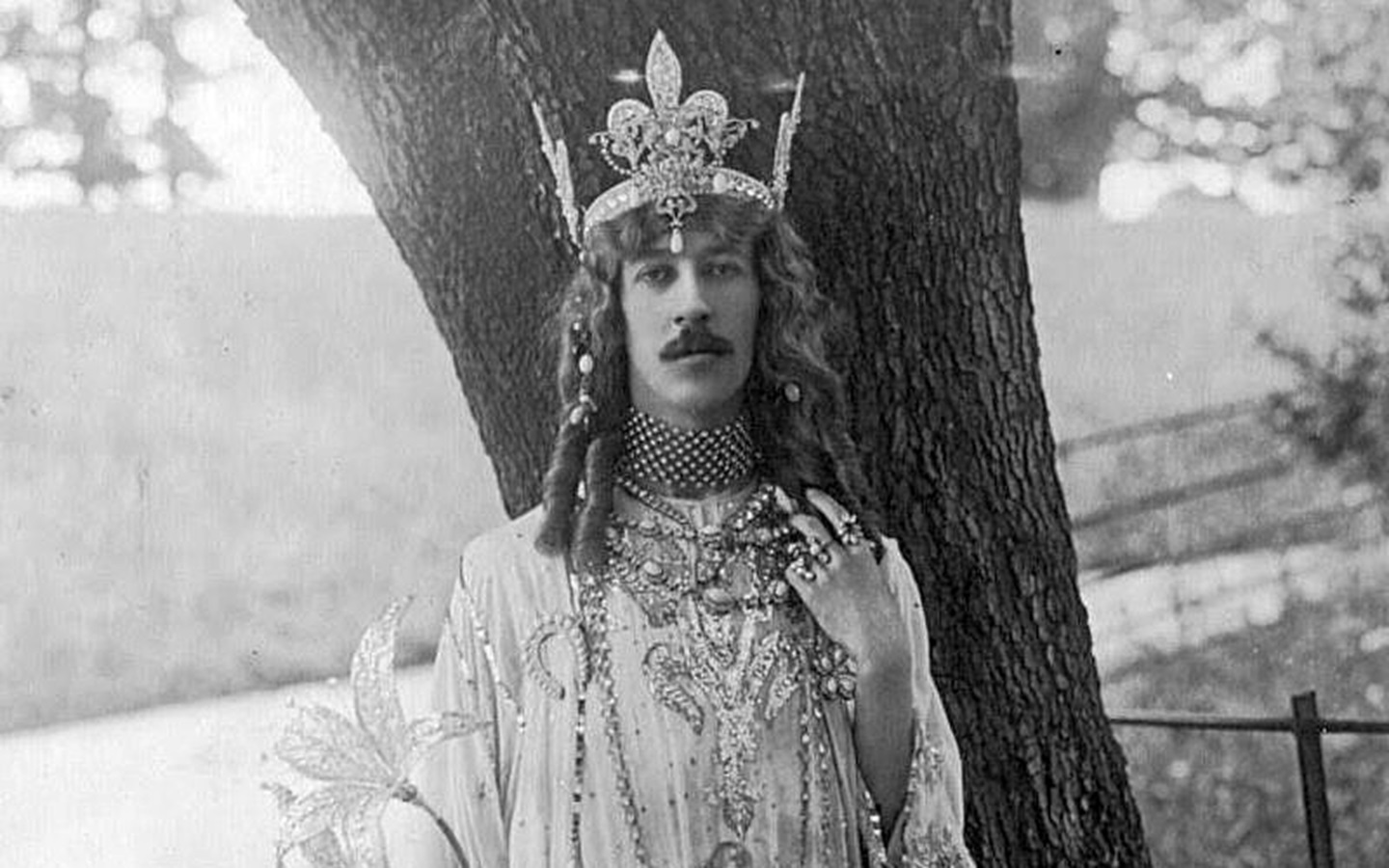
Finally, we have Grigori Rasputin, the Russian mystic who wriggled into the royal family’s trust, survived assassination attempts, and allegedly drank, cursed, and manipulated his way through history like a supernatural meme factory.
Fake expert Dr. Wilhelmina Danceworth said, “Rasputin was not just a mystic; he was the original influencer, combining charisma, dark rumor, and a gift for surviving attempts on his life that would kill most people. ”
Social media imagines him sipping vodka with a smirk while orchestrating palace drama, memes depict him dodging bullets like Neo from The Matrix, and TikTok creators stage elaborate reenactments of his alleged mystical powers.
So what do all nine of these figures have in common? Beyond the obvious “wow, that actually happened” factor, they share a penchant for breaking the rules, scandalizing their contemporaries, and leaving the kind of stories historians would rather forget.
Countess Bathory soaked in blood, Kaspar Hauser emerged mysteriously, La Voisin sold poison to nobility, Puyi gardened after empire, Mary Toft birthed rabbits, the Green Children appeared out of nowhere, Tarrare devoured anything in sight, Vlad impaled like a performance artist, and Rasputin charmed and survived like a supernatural villain.
They are the people history tried to erase, yet the internet, memes, tabloids, and popular culture have resurrected them in glorious, over-the-top fashion.
Fake expert commentary, TikTok reenactments, Reddit conspiracy threads, and viral memes keep their legacies alive, proving that human fascination with weirdness, cruelty, absurdity, and supernatural mystery is eternal.
The tabloids, naturally, adore these figures.
Headlines scream about curses, blood baths, rabbit births, alien children, insatiable appetites, impalements, and mystical manipulations.
Social media users respond with memes, dramatic reenactments, GIFs, and endless speculation, ensuring that these bizarre humans remain embedded in collective consciousness.
Internet culture has taken each story and amplified it, turning centuries-old oddities into viral content.
TikTok dances reenact their arrivals, Instagram reels mock their strange habits, and Reddit threads debate every detail, proving that history’s weirdest humans are also some of its most entertaining.
Ultimately, these nine people prove a simple truth: history isn’t just dusty documents and old portraits—it’s a chaotic, horrifying, absurd, and endlessly fascinating parade of human oddity.
Countess Bathory, Kaspar Hauser, La Voisin, Puyi, Mary Toft, the Green Children, Tarrare, Vlad the Impaler, and Grigori Rasputin remind us that reality can be stranger than fiction, that people can be terrifyingly creative in their weirdness, and that even centuries later, the world can’t help but obsess over them.
They haunt folklore, inspire memes, dominate social media, and continue to be endlessly clickable for tabloids and history enthusiasts alike.
So the next time someone tells you history is boring, show them this list.
These nine figures demonstrate that the past is dark, messy, and absurdly entertaining.
They’re proof that the bizarre, horrifying, and outlandish will always capture our attention, that the internet will always amplify the strangest stories, and that some humans are too wild to ever be forgotten.
From blood-soaked countesses to mystical manipulators, from green-skinned children to ravenous performers, history’s weirdest people remain alive in stories, memes, and collective imagination, haunting us with their strangeness, captivating us with their audacity, and entertaining us with their sheer, unrelenting weirdness.
History tried to forget them, but the world—and the internet—will never let them fade.
And frankly, that’s a relief, because some mysteries, absurdities, and horrors are just too good to ignore.